
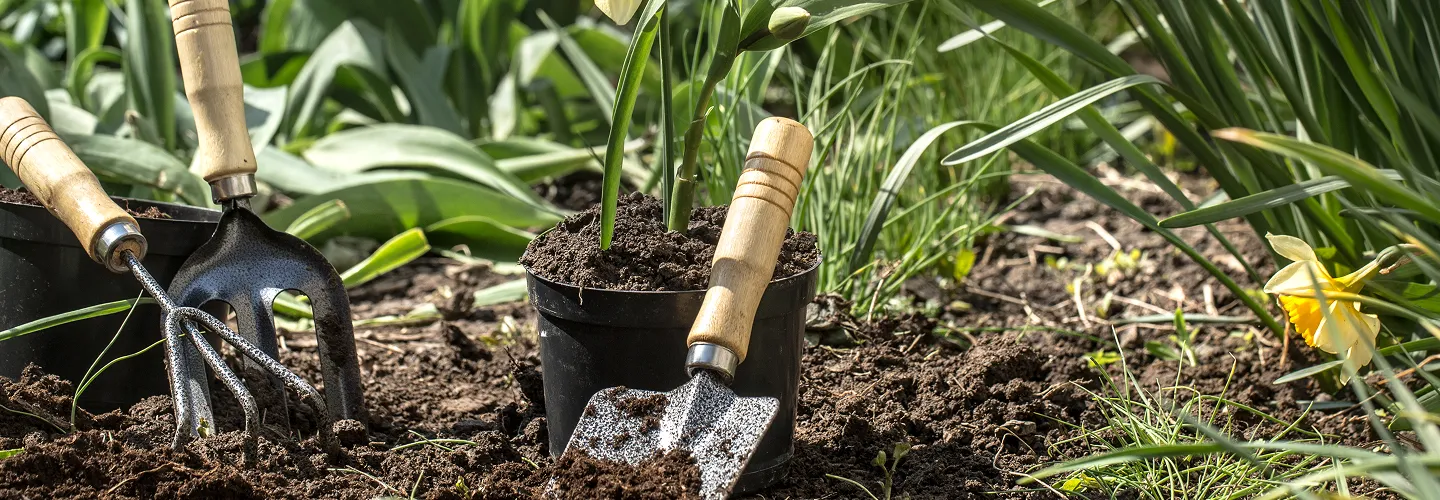
Statesboro Lawn Installation Services
Choose our expert lawn installation for a seamless, hassle-free transformation—enjoy a vibrant, healthy yard that boosts your home’s curb appeal and value, all backed by our commitment to quality and customer satisfaction.
Get a Free QuoteOur Statesboro Landscaping & Yard Care Services
When to Schedule Lawn Installation in Statesboro, Georgia – Seasonal Guide
In Statesboro, Georgia, the best time for lawn installation is typically during the early fall or late spring. These periods offer moderate temperatures and consistent rainfall, which are ideal for establishing new turf. The local climate, characterized by hot, humid summers and mild winters, means that installing a lawn during the peak of summer can lead to heat stress and increased water requirements, while winter installations risk poor root development due to cooler soil temperatures. Neighborhoods near Georgia Southern University and the Willow Hill Heritage area often experience varying shade coverage and soil types, making timing even more crucial for successful results.
Local environmental factors such as the average last frost date in early March, the potential for late-summer droughts, and the sandy loam soils common in the area all play a role in determining the optimal installation window. Homeowners should also consider municipal watering restrictions and the unique microclimates found in communities like Irongate and the Historic Downtown district. For more information on local regulations and best practices, visit the official municipal resource.
Local Factors to Consider for Lawn Installation in Statesboro
- Tree density and shade coverage, especially in established neighborhoods
- Soil composition and drainage, with sandy loam being prevalent
- Seasonal precipitation patterns and drought risk
- Terrain variations, including slopes and low-lying areas
- Municipal watering restrictions and local ordinances
- Proximity to landmarks such as Georgia Southern University or Mill Creek Regional Park
Benefits of Lawn Installation in Statesboro
Professional Landscaping Expertise
Customized Lawn Solutions
Efficient Project Completion
High-Quality Sod and Seed Options
Enhanced Curb Appeal
Ongoing Lawn Maintenance Support

Statesboro Lawn Installation Types

Sod Installation
-
Hydroseeding
-
Artificial Turf Installation
-
Grass Plug Installation
-
Seed Lawn Establishment
-
Native Grass Installation
-
Overseeding Existing Lawns
Our Lawn Installation Process
Site Evaluation
Soil Preparation
Lawn Installation
Watering and Initial Care
Why Choose Statesboro Landscape Services
-
Statesboro Homeowners Trust Us
-
Expert Lawn Maintenance
-
Reliable Scheduling
-
Competitive Pricing
-
Professional Team
-
Satisfaction Guarantee
-
Personalized Service
Statesboro's Coastal Plain Sandy Soils and Their Impact on Sod Establishment
Statesboro sits within Georgia's Coastal Plain physiographic region, where the predominant soil series—including Tifton, Leefield, and Pelham sandy loams—present distinct challenges for lawn installation. These soils, mapped through the USDA Web Soil Survey, are characteristically sandy, acidic (often pH 4.8–5.8), and fast-draining, which means newly laid sod can dry out rapidly if irrigation is not carefully managed. Statesboro falls within USDA Hardiness Zone 8b, supporting warm-season turf species but requiring attention to nutrient leaching common in sandy substrates. Before installation, property owners should consider the following site preparation steps:
- Soil testing through the UGA Cooperative Extension Bulloch County office to determine pH and nutrient deficiencies
- Lime application to raise pH toward the 6.0–6.5 range preferred by most warm-season turfgrasses
- Organic matter incorporation (1–2 inches of composted material tilled into the top 4–6 inches) to improve moisture retention in sandy profiles
- Grading adjustments to ensure positive drainage away from foundations while preventing excessive runoff
Addressing these soil conditions before sod is placed significantly improves root establishment and long-term turf health.
Optimal Sod and Seeding Windows for Statesboro's Extended Growing Season
Statesboro's long, warm growing season—typically spanning late March through mid-November—provides a wide but strategically important window for lawn installation. The National Weather Service Charleston, SC forecast office, which covers the Statesboro area, reports average last spring frost dates near mid-March and first fall frost dates around mid-November. For warm-season turfgrasses suited to Bulloch County, the following timing guidance applies:
- Bermudagrass sod or seed: Install between late April and mid-August, when soil temperatures consistently exceed 65°F at a 4-inch depth
- Zoysiagrass sod: Best laid from May through July for fastest root knitting in Statesboro's heat
- Centipedegrass sod or seed: Install from mid-May through mid-July; this species is well-adapted to Statesboro's acidic, low-fertility sandy soils
- St. Augustinegrass sod: Suitable for shaded areas; install May through August
Avoid installing warm-season turf after September 15, as shortened daylight and cooling soil temperatures reduce root development before winter dormancy. Seeded lawns require an additional 4–6 weeks of active growth compared to sod, making earlier planting dates critical for seed-based installations.
How Statesboro's Stormwater Infrastructure Affects Lawn Grading and Erosion Control
Lawn installation projects that involve regrading, soil disturbance, or removal of existing vegetation must account for Statesboro's municipal stormwater management requirements. The city's Engineering Department oversees stormwater infrastructure, including drainage ditches, retention areas, and storm inlets that feed into Mill Creek, Lott Creek, and other tributaries within the Ogeechee River watershed. Disturbed soil on residential lots can generate sediment-laden runoff that degrades these waterways, potentially triggering compliance concerns under the Clean Water Act and Georgia EPD's NPDES stormwater program.
Property owners and contractors undertaking lawn installation should implement the following erosion and sediment controls:
- Install silt fencing or straw wattle along downslope property edges before grading begins
- Stabilize exposed soil within 14 days of final grading through sod placement, seeding with temporary cover, or straw mulch application
- Direct downspout and sheet-flow drainage away from neighboring properties and toward established stormwater conveyances
- Avoid stockpiling topsoil or fill material near storm drain inlets, ditches, or creek buffers
For projects exceeding one acre of land disturbance, a Land Disturbance Permit and an erosion, sedimentation, and pollution control plan may be required through the Georgia EPD Watershed Protection Branch. Verify current thresholds and local review requirements with the city before beginning work.
Statesboro Engineering Department
50 East Main Street, Statesboro, GA 30458
Phone: (912) 764-5468
Official Website: Statesboro Engineering Department
Navigating Statesboro's Zoning and Code Compliance for New Lawn Installations
Lawn installation on residential and commercial properties in Statesboro must align with the city's zoning and property maintenance codes. The Statesboro Code Compliance office enforces standards related to vegetation coverage, lot maintenance, and nuisance conditions that can affect both new and renovated lawns. Properties that have been cited for overgrowth, bare soil, or erosion may be required to establish vegetative cover within a specified timeframe. When planning a lawn installation, property owners should be aware of the following regulatory considerations:
- Zoning setbacks and easements: Verify utility easements and drainage easements along property lines before grading or installing sod, as these areas may have restrictions on soil disturbance or permanent landscaping
- Right-of-way maintenance: The strip between the sidewalk and curb is typically within the city right-of-way; confirm with the city whether sod installation in this area is permitted and what species or maintenance obligations apply
- Property maintenance standards: Statesboro's municipal code requires property owners to maintain yards free of excessive weeds, debris, and bare soil that could contribute to erosion or neighborhood blight
- Development review: Larger-scale lawn installation tied to new construction or site redevelopment may require review through the Statesboro Planning Commission
Contact the Code Compliance office to confirm current requirements before beginning installation work.
Statesboro Code Compliance
50 East Main Street, Statesboro, GA 30458
Phone: (912) 764-5468
Official Website: Statesboro Code Compliance
Irrigation Coordination with Statesboro's Water and Wastewater Department During Turf Establishment
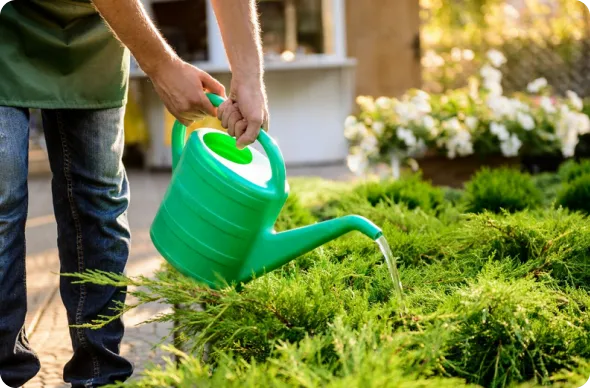
Newly installed sod requires consistent moisture during the first 14–21 days to promote root-to-soil contact and prevent desiccation, particularly in Statesboro's sandy Coastal Plain soils where water drains quickly through the profile. Property owners connecting to the city's municipal water system for irrigation should coordinate with the Statesboro Water and Wastewater Department regarding water usage, meter capacity, and any seasonal conservation advisories that may be in effect. Key irrigation considerations for new lawn establishment in Statesboro include:
- Watering frequency: Apply 0.5–0.75 inches of water per application, two to three times daily for the first 7–10 days, then taper to once daily for the following week
- Time of day: Water between 4:00 AM and 10:00 AM to minimize evaporation losses during Statesboro's summer heat, when daytime highs regularly exceed 90°F from June through August
- Drought advisories: During periods of drought, the city or Georgia EPD Water Conservation program may issue outdoor watering restrictions; verify current status before scheduling installation
- Backflow prevention: Irrigation systems connected to municipal water must include approved backflow prevention devices to protect the public water supply
Scheduling sod installation during Statesboro's typical rainfall peaks in July and August can reduce supplemental irrigation demand, though afternoon thunderstorms should not be relied upon as the sole water source for establishment.
Statesboro Water and Wastewater Department
50 East Main Street, Statesboro, GA 30458
Phone: (912) 764-0630
Official Website: Statesboro Water and Wastewater Department
What Neighborhoods Do We Serve Throughout Statesboro, GA?
- Downtown Statesboro / Historic District: Older lots with mature tree canopy, compacted soils from decades of use, and smaller yard footprints that may require shade-tolerant turf species such as St. Augustinegrass or Zoysiagrass. Proximity to municipal stormwater infrastructure requires careful grading during installation.
- The Landings at Statesboro: A newer subdivision with open, sun-exposed lots and typical Coastal Plain sandy soils that drain rapidly. Bermudagrass sod performs well here, though irrigation planning is essential during establishment.
- Countryside / South Main Corridor: Properties along the southern approach to the city often feature larger lots with mixed sun and shade conditions, and some parcels border drainage ditches that feed into Lott Creek.
- University Area (Georgia Southern vicinity): Rental properties and student housing near campus frequently require lawn renovation due to high foot traffic and deferred maintenance. Soil compaction is common and may necessitate core aeration before sod installation.
- Gentilly Road / North Side Neighborhoods: Established residential areas with mature landscaping, moderate lot sizes, and occasional low-lying areas prone to seasonal wetness that affect turf species selection and grading requirements.
- Burkhalter Plantation / Westside Developments: Newer residential developments on former agricultural land where fill soils and grading may vary significantly across lots, requiring site-specific soil testing and amendment before lawn installation.