
Statesboro Flower Planting Services
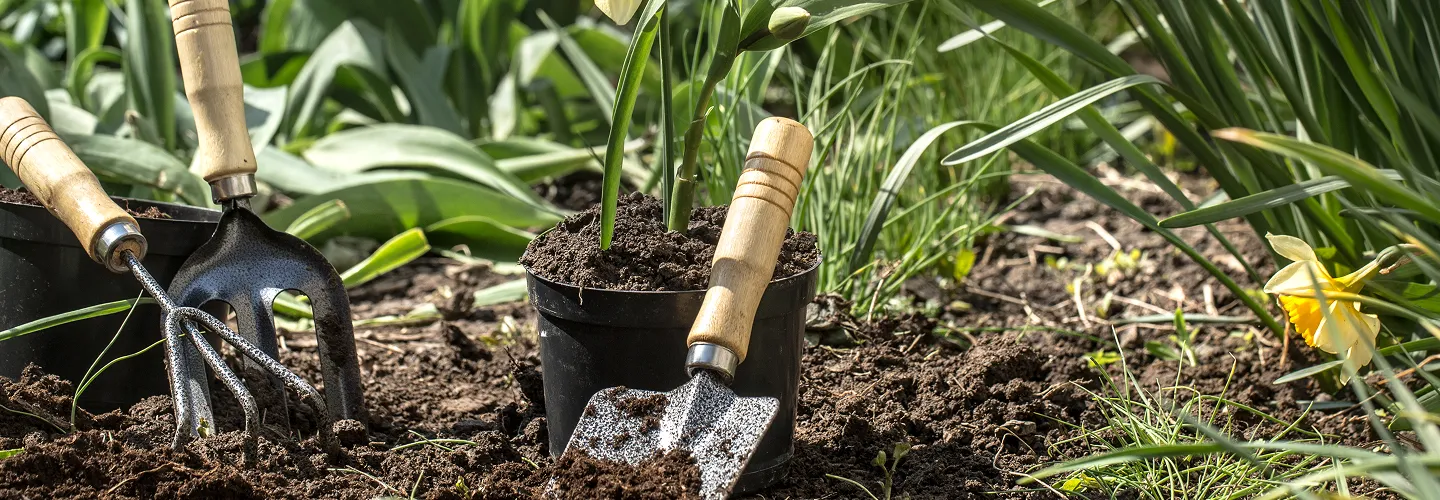
Choose our flower planting services for vibrant, expertly arranged blooms that enhance your curb appeal and thrive in Statesboro’s unique climate—bringing lasting beauty to your home or business.
Get a Free QuoteOur Statesboro Landscaping & Yard Care Services
When to Schedule Flower Planting in Statesboro, Georgia – Seasonal Guide
In Statesboro, Georgia, timing your flower planting is crucial for vibrant, long-lasting blooms. The region’s humid subtropical climate means that spring and early fall are generally the best seasons for planting, as temperatures are moderate and rainfall is more predictable. Local neighborhoods like Irongate and the area surrounding Georgia Southern University often experience late winter frosts, so it’s wise to wait until after the average last frost date—typically in mid-March—before planting annuals or tender perennials. Soil in Statesboro tends to be sandy with occasional clay pockets, especially near Mill Creek Park, so amending your beds for drainage and fertility is important.
Environmental factors such as summer drought risk, high humidity, and varying shade coverage from mature oaks and pines can all impact your planting schedule. For example, properties near the Willow Hill Heritage & Renaissance Center may have more shade and require different flower selections or timing than sunnier lots. Additionally, be aware of any municipal watering restrictions, which can be found on the official town website, to ensure your new plantings thrive without running afoul of local regulations.
Local Factors to Consider for Flower Planting in Statesboro
- Proximity to mature trees and resulting shade coverage
- Soil type and drainage, especially in neighborhoods with clay-heavy ground
- Average last frost date (mid-March) and risk of late cold snaps
- Summer drought risk and humidity levels
- Terrain variations, such as low-lying or flood-prone areas
- Municipal watering restrictions and local ordinances
Benefits of Flower Planting in Statesboro
Expert Landscaping Services
Customized Garden Designs
Seasonal Plant Selection
Enhanced Curb Appeal
Professional Maintenance Support
Eco-Friendly Planting Solutions
Statesboro Flower Planting Types

Annual Flower Beds
Seasonal color with vibrant annuals for dynamic landscaping displays.
-
Perennial Gardens
Long-lasting blooms that return year after year for low-maintenance beauty.
-
Native Plant Installations
Eco-friendly choices that thrive in Statesboro’s climate and support local wildlife.
-
Pollinator Gardens
Flower beds designed to attract bees, butterflies, and other pollinators.
-
Shade Garden Plantings
Flower selections ideal for areas with limited sunlight.
-
Container Flower Arrangements
Versatile and movable flower displays for patios and entryways.
-
Mixed Border Plantings
Combining flowers, shrubs, and ornamental grasses for layered landscape interest.
Our Flower Planting Process
Site Evaluation
Soil Preparation
Plant Selection
Careful Planting
Watering and Mulching
Why Choose Statesboro Landscape Services
-
Statesboro Homeowners Trust Us
-
Expert Lawn Maintenance
-
Reliable Scheduling
-
Competitive Pricing
-
Professional Team
-
Satisfaction Guarantee
-
Personalized Service
Statesboro's Coastal Plain Soils and Their Impact on Flower Bed Preparation
Statesboro sits within Georgia's Coastal Plain region, where soils are predominantly sandy loams from the Norfolk, Tifton, and Leefield series. These soils are naturally acidic, often registering a pH between 4.5 and 5.8, and drain rapidly—conditions that directly affect how flower beds must be prepared. The city falls within USDA Hardiness Zone 8b, with average minimum winter temperatures between 15°F and 20°F. Before planting, residents and property managers should address several soil-related factors:
- Organic matter amendment: Sandy Coastal Plain soils are low in organic content; incorporating 2–4 inches of composted material into the top 8–10 inches of bed soil improves moisture retention and nutrient availability.
- pH correction: A soil test through the UGA Cooperative Extension Bulloch County office can determine precise lime application rates to raise pH toward the 6.0–6.5 range preferred by most annual and perennial flowers.
- Nutrient leaching: Sandy soils lose nitrogen and potassium quickly; slow-release fertilizers regulated under the Georgia Fertilizer Act of 1997 are recommended to sustain flower health without excess runoff.
Conducting a USDA Web Soil Survey search for your specific parcel can identify drainage class and soil limitations before bed construction begins.
Optimal Flower Planting Windows for Statesboro's Extended Growing Season
Statesboro's long, warm growing season—typically spanning from mid-March through late November—provides an extended window for flower establishment, but timing must account for local frost dates and summer heat stress. The National Weather Service Charleston, SC forecast office, which covers the Statesboro area, records an average last spring frost around March 15 and a first fall frost near November 15, yielding approximately 245 frost-free days. Recommended planting windows include:
- Cool-season annuals (pansies, snapdragons, dianthus): Plant from late October through early December for winter and early spring color, and again in February for spring displays.
- Warm-season annuals (zinnias, lantana, pentas, vinca): Install after the last frost date, ideally mid-March through mid-April, to allow root establishment before peak summer heat.
- Perennials (coneflower, black-eyed Susan, salvia, daylily): Plant in early spring (March–April) or early fall (September–October) when soil temperatures are between 55°F and 75°F.
- Summer transplanting: Avoid planting during July and August when afternoon soil surface temperatures can exceed 100°F, causing transplant shock in unestablished root systems.
Staggering plantings across these windows ensures continuous seasonal color and reduces the risk of total bed loss from a single weather event.
How Statesboro's Stormwater Infrastructure Affects Flower Bed Placement and Mulching
Flower planting projects near streets, parking areas, and drainage swales in Statesboro must account for the city's municipal stormwater system. The Statesboro Engineering Department oversees stormwater management, including inlet protection and runoff conveyance throughout developed areas. Improperly mulched or graded flower beds can contribute sediment, fertilizer, and organic debris to storm drains that ultimately discharge into Mill Creek, Lotts Creek, and other tributaries within the Ogeechee River watershed—waters protected under the Clean Water Act and monitored by the Georgia EPD Watershed Protection Branch. Property owners should observe the following practices:
- Mulch depth: Apply 2–3 inches of pine straw or shredded hardwood mulch; excessive mulch can wash into storm inlets during heavy rain events common from June through September.
- Bed edging: Install physical edging or maintain a defined border to prevent mulch and soil migration toward impervious surfaces and catch basins.
- Setback from inlets: Avoid placing loose soil or uncomposted organic amendments within 10 feet of stormwater inlets or drainage ditches.
- Erosion control during installation: On sloped lots, use temporary silt barriers or straw wattles while beds are being established.
Residents with questions about stormwater inlet locations or drainage easements on their property may contact the Statesboro Engineering Department for site-specific guidance.
Statesboro Engineering Department
50 East Main Street, Statesboro, GA 30458
Phone: (912) 764-5468
Official Website: Statesboro Engineering Department
Selecting Heat- and Humidity-Tolerant Flower Species for Statesboro Landscapes
Statesboro's summer climate—characterized by average high temperatures of 90°F–95°F from June through August and relative humidity frequently exceeding 80 percent—demands careful species selection for flower beds. Plants that cannot tolerate sustained heat and moisture are prone to fungal diseases such as powdery mildew, root rot, and botrytis. The UGA Cooperative Extension recommends the following species as well-adapted to south-central Georgia conditions:
- Full-sun annuals: Lantana, pentas, vinca (Catharanthus roseus), zinnias (Profusion series for disease resistance), and angelonia thrive in Statesboro's heat and sandy, well-drained soils.
- Shade-tolerant annuals: Impatiens (New Guinea types for downy mildew resistance), coleus, caladiums, and begonias perform well under mature pecan and live oak canopies common in older Statesboro neighborhoods.
- Drought-tolerant perennials: Coneflower (Echinacea), blanket flower (Gaillardia), salvia (Salvia greggii), and native butterfly weed (Asclepias tuberosa) establish deep roots in sandy soils and require minimal supplemental irrigation once established.
- Pollinator-friendly natives: Incorporating Georgia-native species such as coral honeysuckle, bee balm, and goldenrod supports local pollinator populations and aligns with Georgia EPD watershed stewardship goals by reducing chemical input needs.
Residents should avoid species listed on the UGA Extension invasive species registry, including Chinese wisteria and Japanese honeysuckle, which can escape cultivated beds and displace native vegetation along Statesboro's creek corridors.
Statesboro Code Compliance and Property Maintenance Standards for Planted Areas
The City of Statesboro enforces property maintenance codes that can affect flower planting projects, particularly on frontage areas, corner lots, and properties adjacent to public rights-of-way. Statesboro Code Compliance addresses overgrown vegetation, sight-line obstructions, and general property upkeep under municipal ordinance authority. Property owners and managers planning flower installations should be aware of the following considerations:
- Sight triangles at intersections: Flower plantings on corner lots must not obstruct driver visibility; vegetation within designated sight triangles is generally required to remain below 30 inches in height. Verify current requirements with the city before installing tall perennials or ornamental grasses near intersections.
- Right-of-way plantings: Flower beds placed between the sidewalk and curb or within city right-of-way may require coordination with the Statesboro Public Works Department, which maintains infrastructure in these areas.
- Nuisance vegetation: Beds that become overgrown or abandoned may trigger code compliance action; maintaining planted areas in a neat, weeded condition is consistent with municipal property maintenance expectations.
- Frontage standards in zoning districts: Properties within specific zoning classifications may have landscaping or frontage requirements outlined in the city's Zoning and Development Regulations.
Statesboro Code Compliance
50 East Main Street, Statesboro, GA 30458
Phone: (912) 764-5468
Official Website: Statesboro Code Compliance
Statesboro Public Works Department
50 East Main Street, Statesboro, GA 30458
Phone: (912) 764-5468
Official Website: Statesboro Public Works Department
What Neighborhoods Do We Serve Throughout Statesboro, GA?
- Downtown Statesboro / Historic District: Older residential lots with mature pecan and oak canopy create significant shade conditions requiring shade-tolerant flower selections; compact lot sizes and established hardscape demand precise bed placement to avoid root competition and drainage conflicts.
- University District (Georgia Southern vicinity): Rental properties and multi-family parcels near campus often require low-maintenance, heat-tolerant annual rotations; sandy soils in this area drain quickly and benefit from organic amendment before planting.
- Countryside / South Main Corridor: Larger residential lots with open sun exposure support a wide range of warm-season annuals and perennials; proximity to agricultural land may increase pest pressure from grasshoppers and fire ants in flower beds.
- Gentilly Road / West Statesboro: Mixed-age subdivisions with varying soil compaction from development grading; beds in newer sections may require deeper soil preparation to address fill material and poor organic content.
- Cypress Lake and Surrounding Subdivisions: Low-lying areas near retention ponds and drainage features require careful bed grading to prevent waterlogging; moisture-tolerant species such as iris, canna, and swamp sunflower perform well in these conditions.
- Burkhalter Plantation / North Side: Newer residential developments with HOA-maintained common areas where flower planting must conform to community aesthetic standards; sandy Tifton-series soils are typical and respond well to mulching and slow-release fertilization.
- Pitman Park / Savannah Avenue Area: Established neighborhood with mature landscaping and mixed sun-shade conditions; older infrastructure and narrow planting strips along sidewalks require compact flower varieties and attention to root zone competition from existing trees.